
Exercise for Seniors Over 75: Why Hydration Matters More With Age
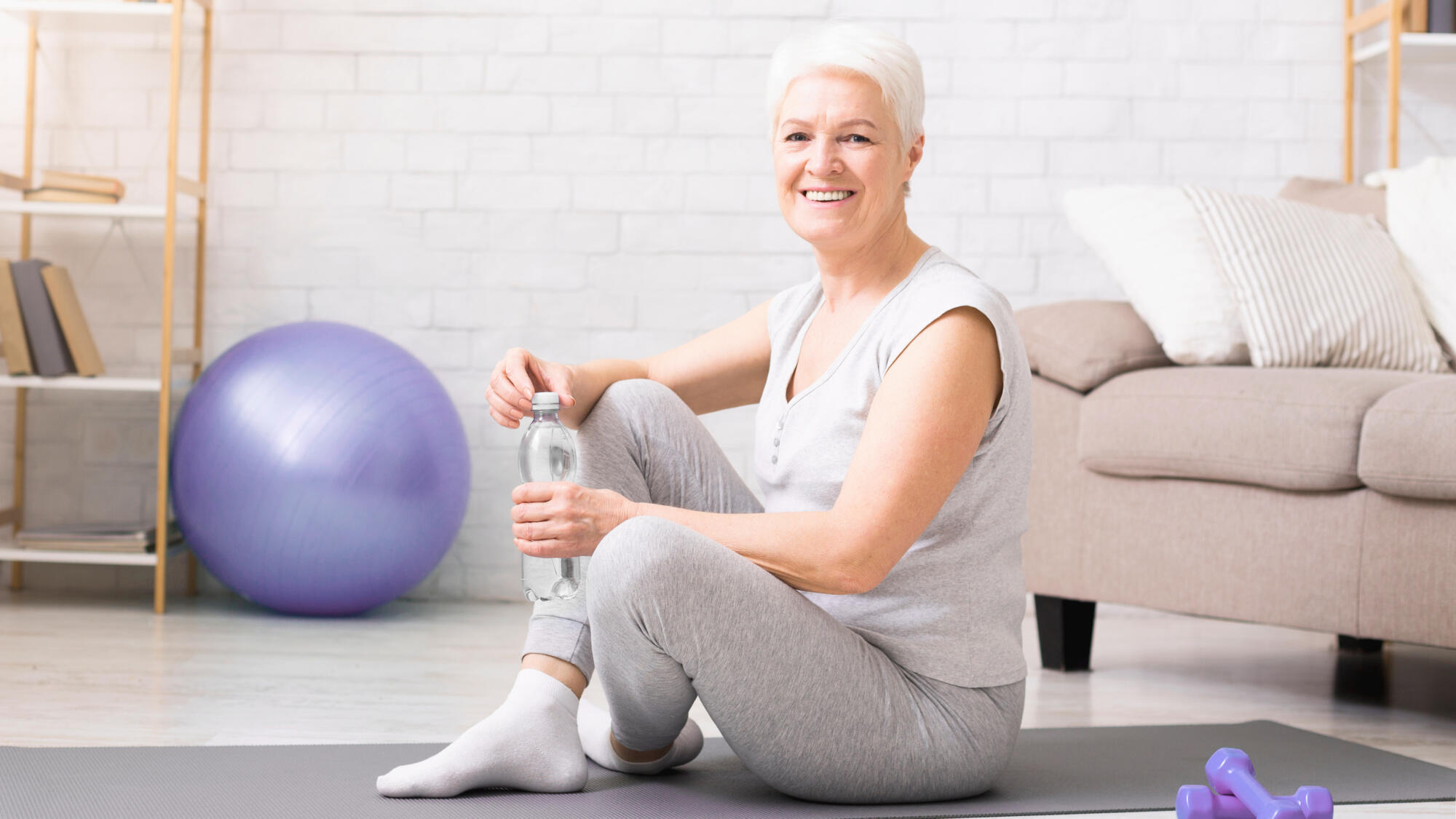
Exercise for seniors over 75 is essential for maintaining good physical health. As you exercise, you need to stay properly hydrated. This measure protects your joints, keeps your energy, and prevents fatigue after you finish working out.
Nearly 28% of older adults are dehydrated, according to NCOA reports. It means more than one in four seniors are not getting enough fluids, endangering their health.
Aging and hydration are closely linked. When you exercise without enough water, you risk experiencing muscle weakness, falls, or heat-related illness. Your body needs proper hydration to transport nutrients and keep your organs functioning properly.
Located in the southern part of Newport Beach, California. Corona del Mar offers perfect weather for year-round outdoor activities. Whether you're in a fitness class or taking a gentle walk near Corona Beach, keeping water close at hand is vital.
What Is the Best Exercise for Seniors Over 75?
The best exercises for you are ones you can do safely and enjoy doing regularly. Here are some accessible low-impact senior fitness activities:
Walking
Walking tops the list for good reasons. You can do it anywhere, adjust the pace to match your energy, and it costs nothing.
Studies cited in The Lancet show that if you walk 10,000 steps daily, you can reduce 10% of all-cause mortality. Start with shorter distances and gradually increase as you build endurance.
Water Activities
Water-based activities rank high for joint safety over 75. Swimming and water aerobics let you exercise without stressing your joints. The water supports your body weight while providing natural resistance to strengthen muscles.
Other Low-Impact Senior Fitness Options
Aside from swimming and walking, you can also take part in other fitness activities. Consider these proven options:
- Chair yoga: Improves muscle strength, balance, and flexibility
- Cycling: Either outdoors or on a stationary bike to build leg strength
- Pilates: Ideal for core strength, breathing, and alignment
- Strength training: Using light weights maintains muscle mass and bone density
These activities support the fitness safety older adults need when starting a new routine. They keep your body strong, reducing the risk of falls.
What Is the Link Between Hydration and Aging?
The connection between hydration and how you age goes deeper than you might think. Recent reports from the International Council on Active Aging show that adults who are well-hydrated:
- Might be healthier
- Develop fewer chronic conditions, such as lung and heart disease
- Live longer
Higher blood sodium levels in middle age, which is a sign of inadequate hydration, were associated with chronic disease risk and biological aging.
Your cells need water to function. When hydration drops, cells struggle to transport nutrients and remove waste. This cellular stress accumulates over time, accelerating aging processes.
Why Is Good Hydration So Important for Older People?
Your body changes as you age, making proper hydration essential for health and safety. As a senior, good hydration can help you:
Protect Your Brain and Mental Clarity
Your body holds less water as you age, since your total body water content decreases. If you're working out, it means you start with fewer reserves than you do when you begin any activity. Even mild dehydration happens faster than it did when you were younger.
Dehydration can cause confusion, dizziness, and difficulty concentrating. Proper hydration helps maintain healthy blood flow and electrolyte balance in the brain, ensuring clear thinking and focus.
Maintain Physical Function
Your kidneys work differently as you age. They lose some ability to concentrate urine and conserve water. Proper hydration supports your kidneys' ability to filter waste effectively.
Water and mobility connect directly. Your muscles also need water to work properly. Without it, you experience weakness, fatigue, and increased risk of falls.
If you drink water, it keeps your joints moving smoothly and your muscles working right. As a result, you will stay steady on your feet, feel less tired, and avoid falls.
Regulate Body Temperature During Exercise
Your body depends on fluids to manage heat. Older adults' bodies don't regulate temperature as efficiently as those of younger people, making them more vulnerable during exercise.
If you're taking part in senior activities, conscious hydration becomes more important. Drinking water helps your body sweat, which is how it cools itself down during exercise. When you drink enough, you can sweat properly and avoid overheating.
Support Heart Health and Prevent Hospitalization
Adequate hydration helps maintain blood volume and circulation, reducing strain on your heart. Making it a habit allows you to stay out of the hospital.
Frequently Asked Questions
How Active Should a 75-Year-Old Be?
If you're 75 years or older, you should get at least 150 minutes of moderate-intensity aerobic activity per week, like brisk walking. You should pair with muscle-strengthening activities on two or more days.
The key is consistency over intensity. Always listen to your body and consult your doctor before starting a new routine.
What Are the Signs You're Not Drinking Enough Water?
Recognizing dehydration early helps you take action before it becomes serious. Watch for these warning signs, such as dark yellow urine, dry mouth, headaches, fatigue, and muscle cramps.
In seniors, increased confusion or sudden falls can also signal dehydration. Many older adults don't feel thirsty even when dehydrated, since the signals that trigger thirst weaken with age. Don't wait until you feel thirsty to drink water.
What Are the Other Nutritional Concerns Among the Elderly?
In addition to hydration, seniors should focus on adequate protein intake to maintain muscle mass. Additionally, appetite changes and medication interactions can complicate nutrition. It underscores the importance of mindful eating and professional dietary guidance.
Stay Active and Hydrated at Senior Living in Corona Del Mar, CA
Exercise for seniors over 75 is a celebration of what your body can still do. You can protect that ability with hydration. It's the simple, daily practice that safeguards your joints, sharpens your mind, and fuels your energy.
At Crown Cove Senior Living, we offer exclusive Dimensions Health & Fitness programs that evolve as fluidly as your own goals and needs. These programs address the social, intellectual, spiritual, physical, and emotional aspects of your well-being. From gentle yoga classes to fitness activities, our programming is designed specifically for older adults who want to stay active safely.
Contact us today to learn how our expert care team can help you stay active and flourishing.